What does critical electrical infrastructure mean? For a factory — an uninterrupted process. For an airport — working systems and deadlines. For a laboratory — precision. For a defence site — reliability and security. Nine different projects, one shared responsibility — and one rule: every one gets a dedicated team with the authority to decide on site. Behind them — hundreds of other sites across Lithuania.
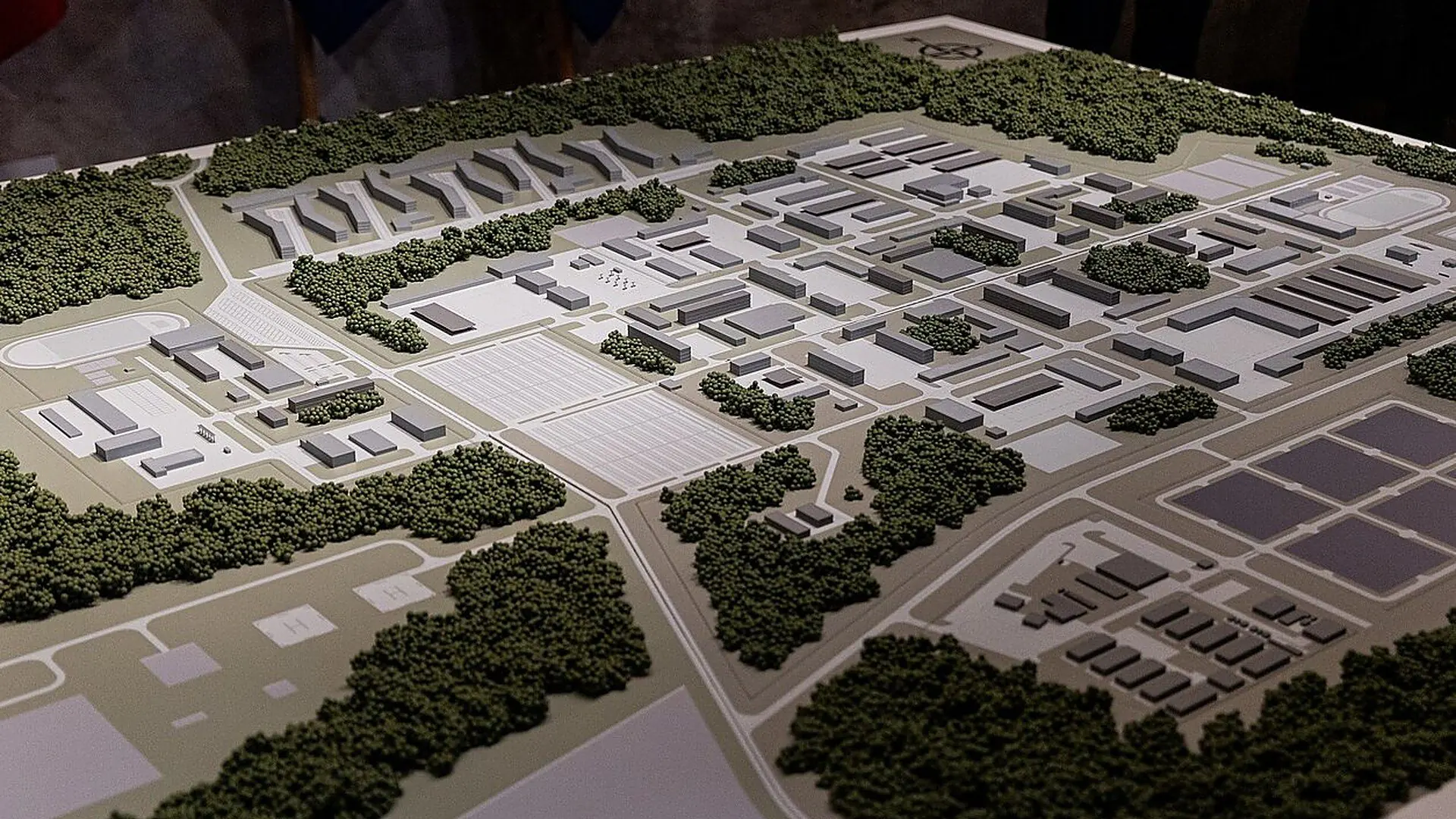
Defence sites are built at exceptional speed: design runs in parallel with construction and decisions change along the way. There are many decisions, and the risk of getting one wrong is the highest of any sector. So we keep dedicated teams on site: they dig into the project as the work goes, coordinate with the other contractors, track every change and issue the drawings.
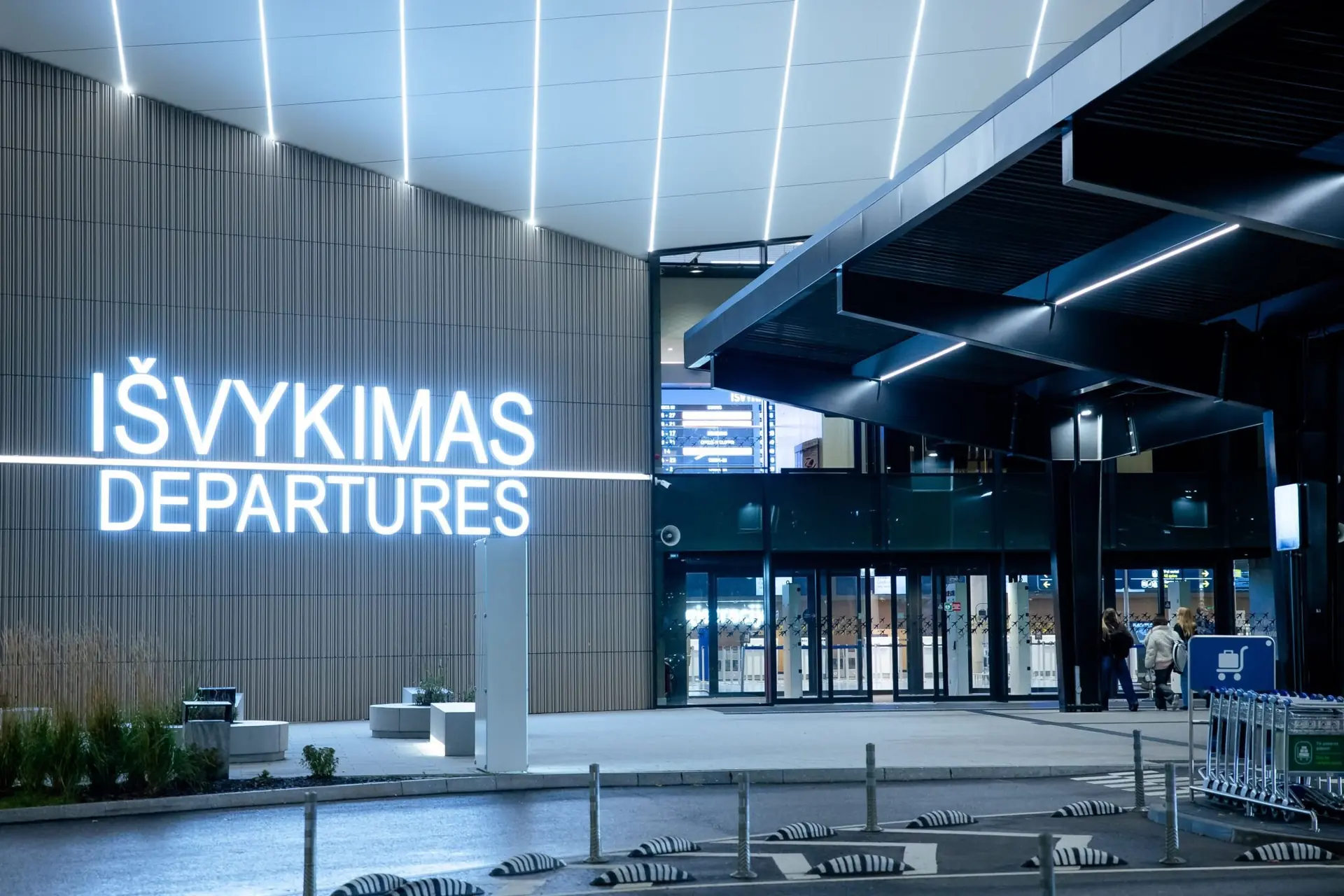
At an airport, electricity has to work always — a fault that stops the flight schedule costs more than any installation job. T4 was being redesigned during construction, so a large dedicated team worked on it — six designers at once. And we still handed over ahead of schedule.
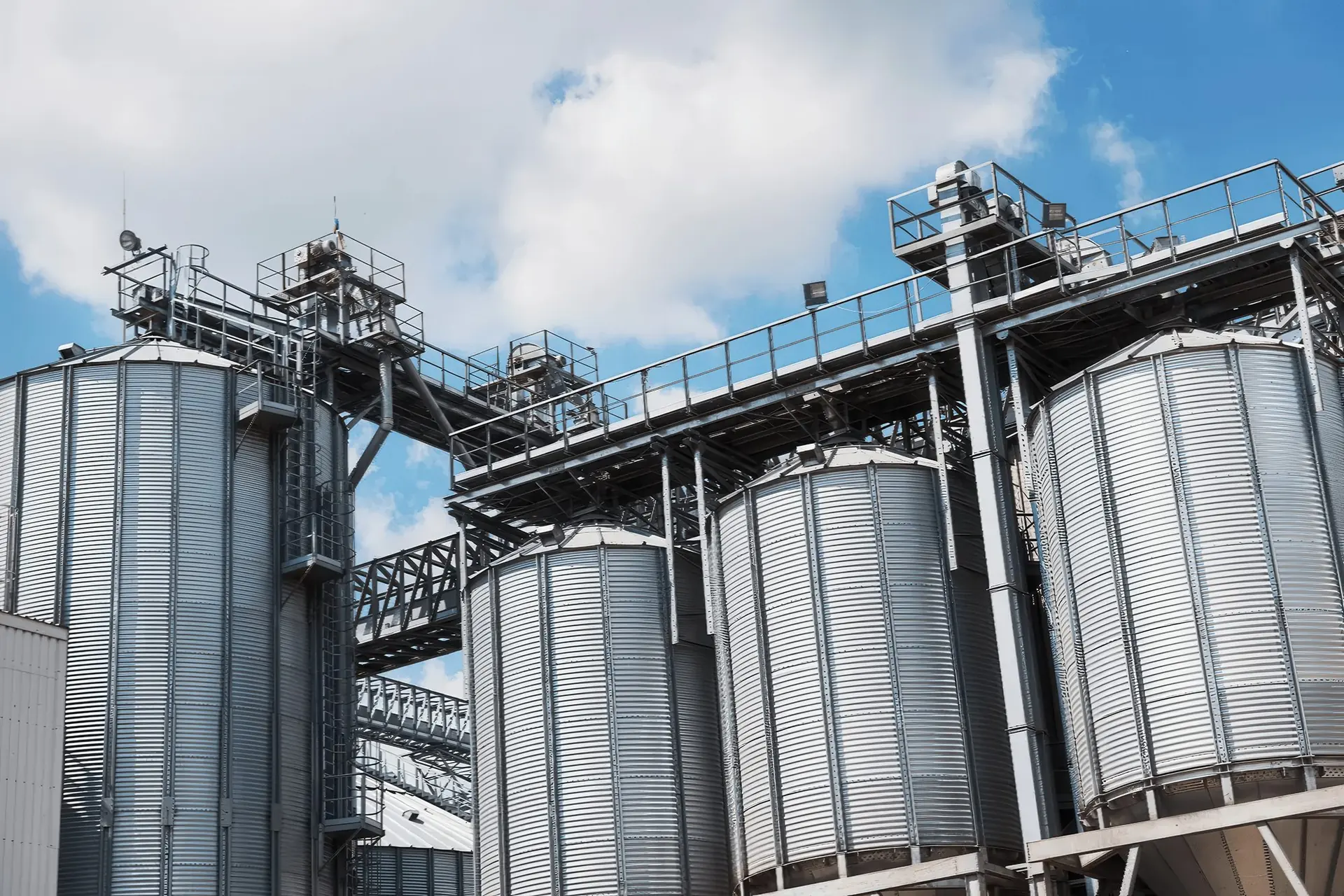
When power stops, more than motors stop — a failure clogs the entire conveying system with product inside, and it has to be cleaned out physically. So every step here is planned so production never stops.
"A month of preparation. A weekend of work." On Friday the old supply was switched off. Over the weekend — dismantling, a new substation, switchboard, cabling, testing. On Monday production ran on the new system.
We studied the entire grain intake, conveying and storage process. Modern controls, new switchboards.
Laser level gauges, new bucket elevators. One project became a long-term modernisation partnership.

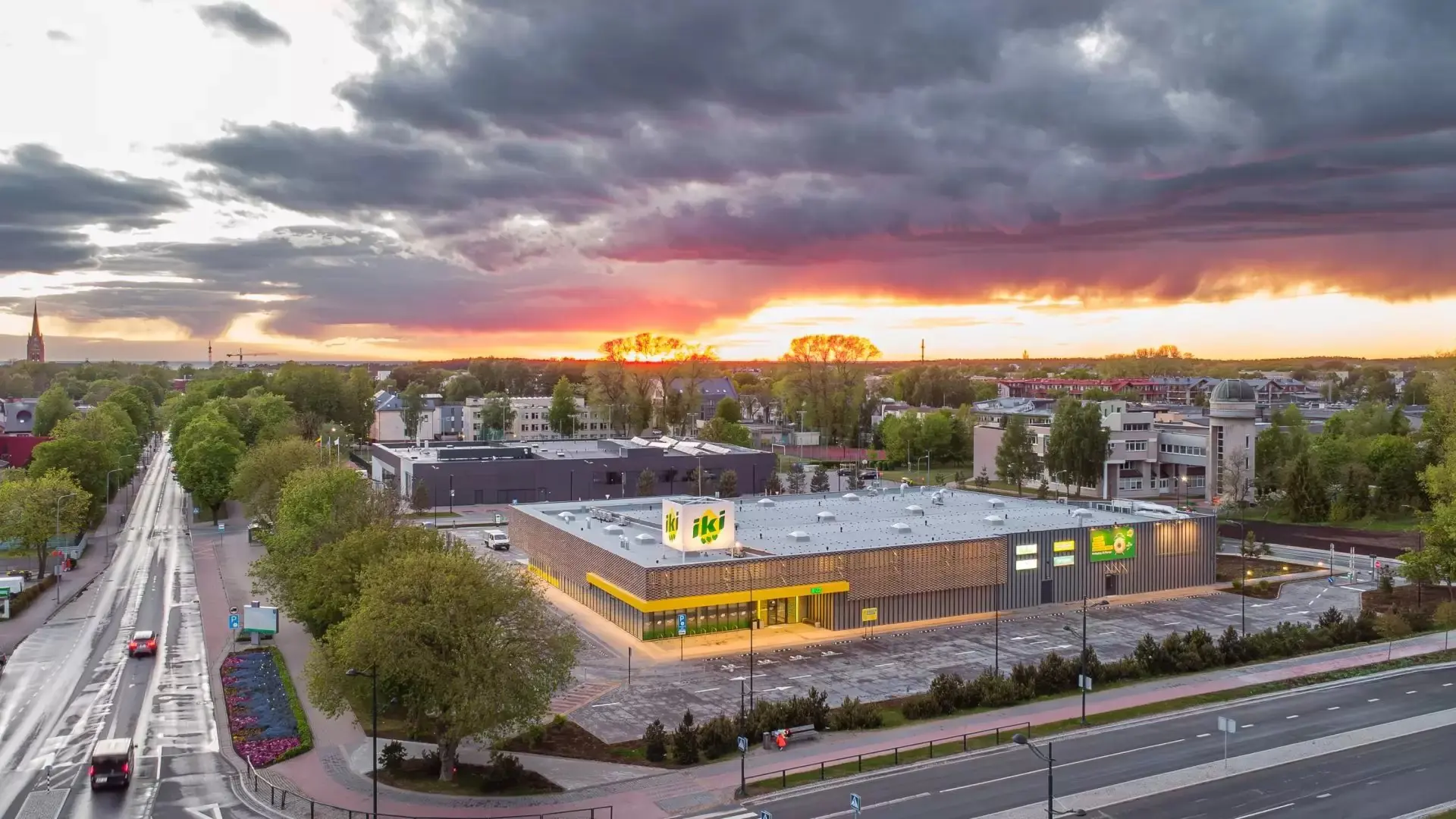
In commercial-building energy, the critical question is not how much electricity can be generated, but how much the building will actually consume. And as tenants change, so does the consumption profile — so we keep redesigning the plant connections and rebuilding the switchboards, so that all generated power is consumed on site.
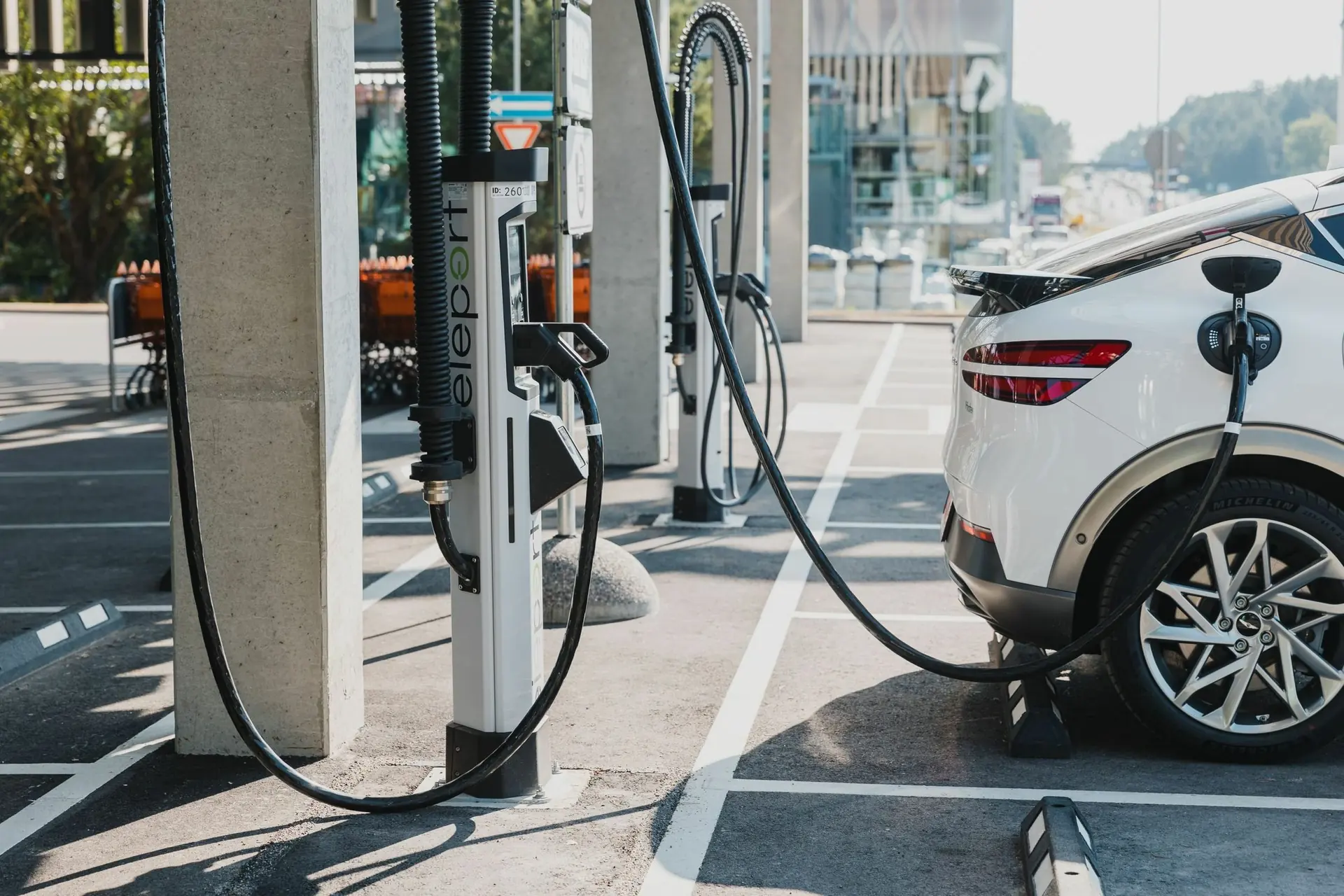
We are among the largest installers of public charging stations in Lithuania — hundreds of stations at fuel stations and large shopping centres, for all the major public networks: Ignitis, Eldrive, Inbalance, Eleport, Orlen. Not a box in a private garage, but a high-power consumer that has to be integrated into a live site: grid connection, power distribution, protection, compatibility. The largest park in the Baltics at the time, we built at Kaunas Akropolis.
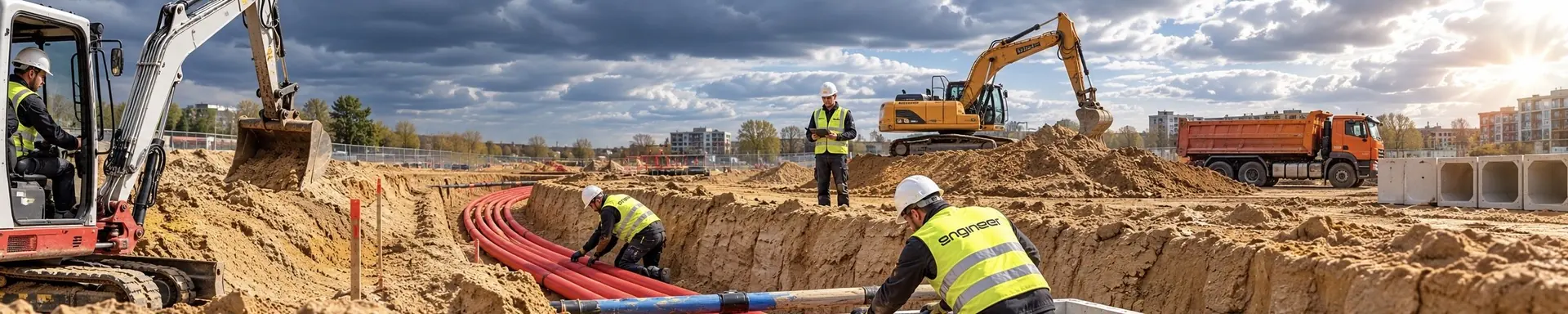
When building a site, the developer applies to ESO (the grid operator) for a connection, pays the fee — and then waits for the standard ESO procedure, which often takes a long time. ESO's fast-track model lets the developer hire a contractor of its own choice for the grid works — on the condition that the price is lower than ESO's own contractors.
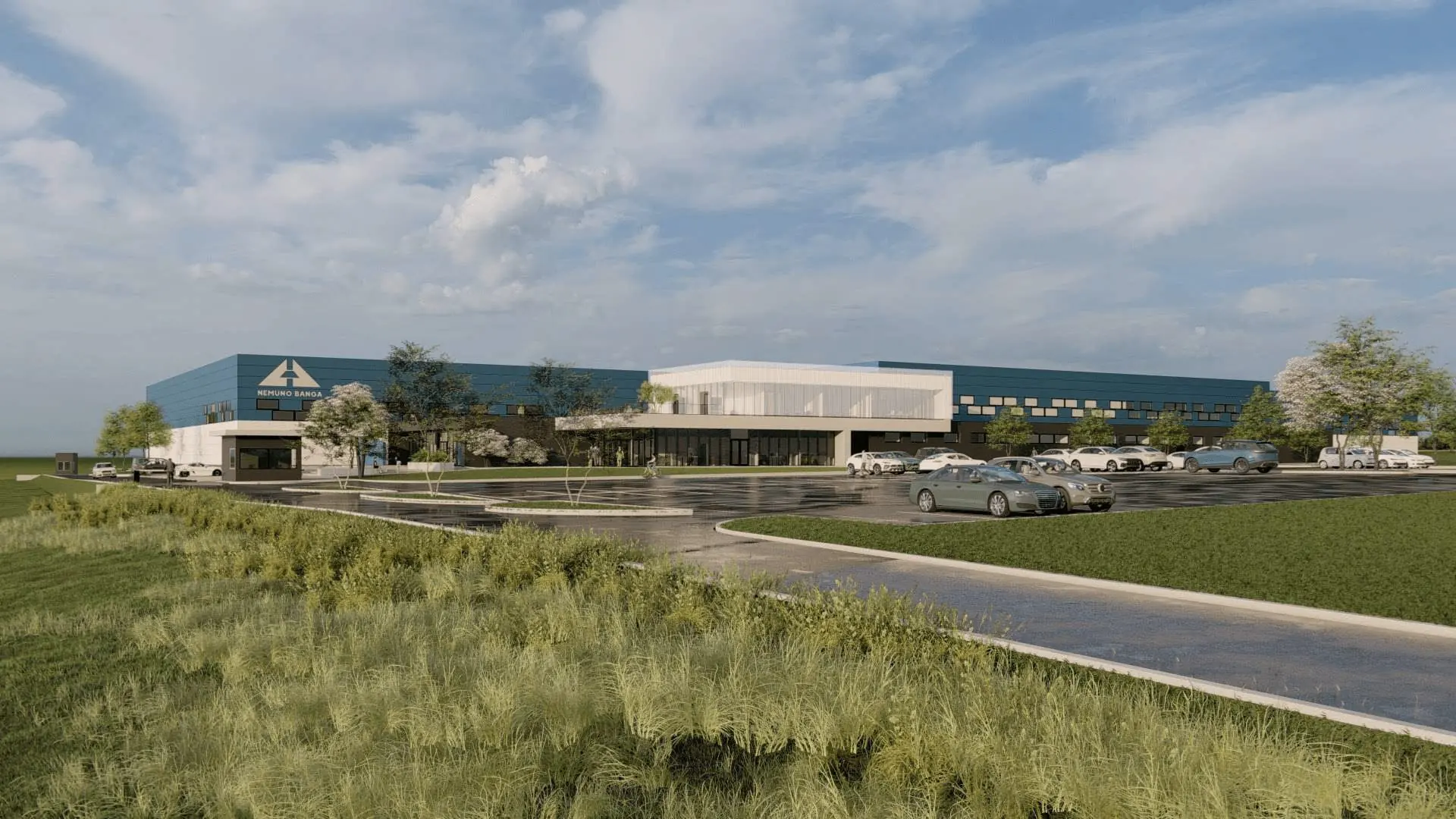
In a running factory, electrical infrastructure is at its best when nobody notices it. Every unplanned stop is lost production time and the risk of missed orders. Nemuno banga was also the pilot site for our power quality unit: the equipment we tested here, we later began offering to everyone.
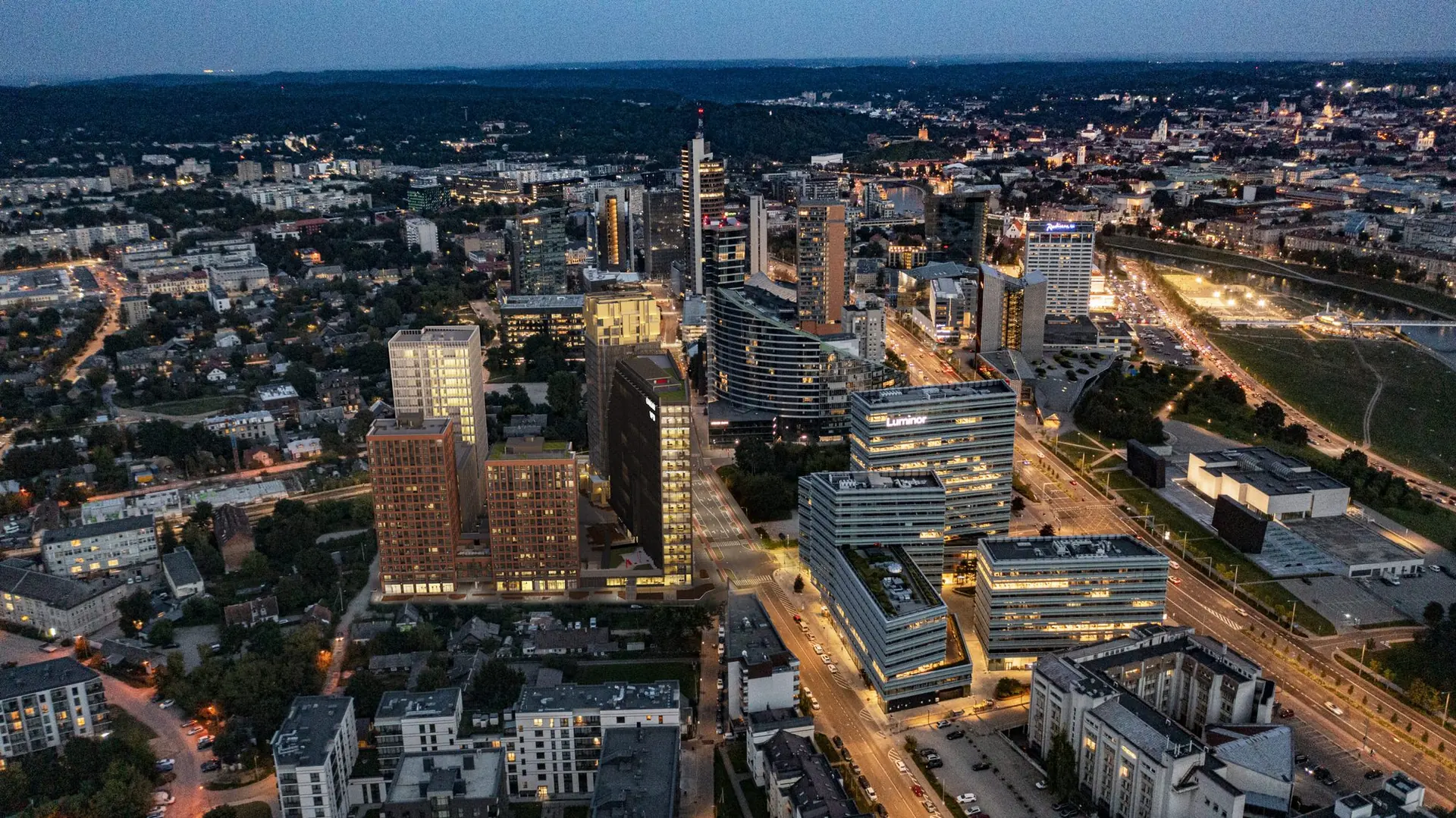
Multi-apartment construction is one of the hardest jobs for project managers, engineers and the warranty department.
Often it is much harder than installing power quality equipment in a large switchroom.
Full electrical infrastructure. 3 months of active works.
Complete cabling of a five-storey office building, down to every socket, over a single weekend.
A 210-apartment district in Žirmūnai. In-floor wiring for every apartment installed over one weekend — before the concrete pour.
A month of preparation, a weekend of work: old switchgear off on Friday, the elevator running on the new system by Monday.